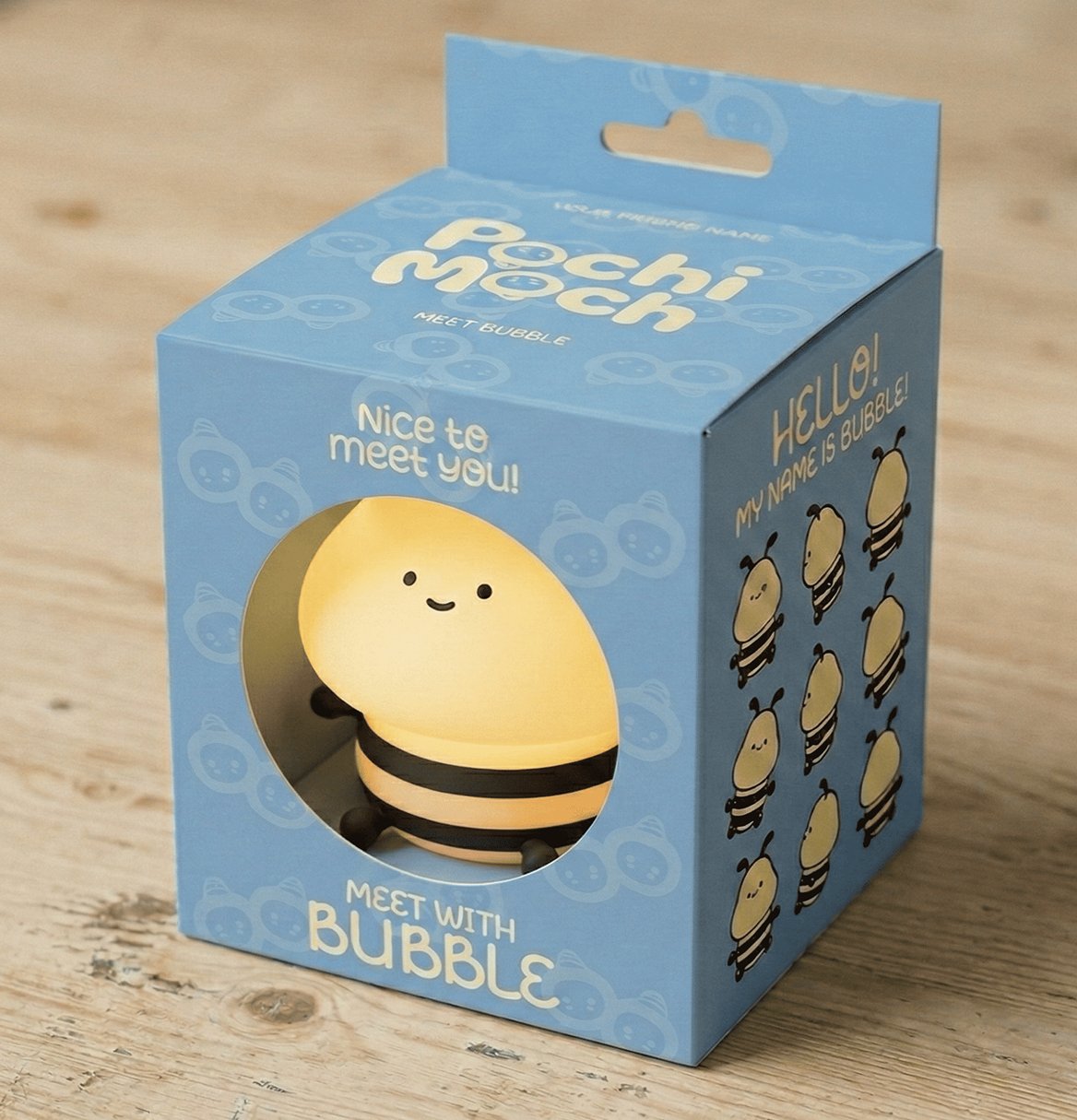
Packaging is often treated as the final wrapper. In reality, it can be the first physical proof that a brand understands its audience. The moment someone holds a box, bottle, sleeve, tag, or insert, the promise becomes material.
For product brands, packaging is not separate from the product experience. It sets expectation, builds memory, guides use, and often becomes the thing people photograph before they even use what is inside.
The package is a small environment. Every surface has a job.
Beyond decoration
Strong packaging systems do more than decorate a container. They organise information, express personality, clarify product differences, and create an opening sequence. Scale, colour, material, closure, and copy all shape the same story.
This matters most when a product sits in a crowded category. If the shelf is loud, restraint can become distinctive. If the category is minimal, a richer character system can create recall. The right answer depends on the behaviour around the purchase.
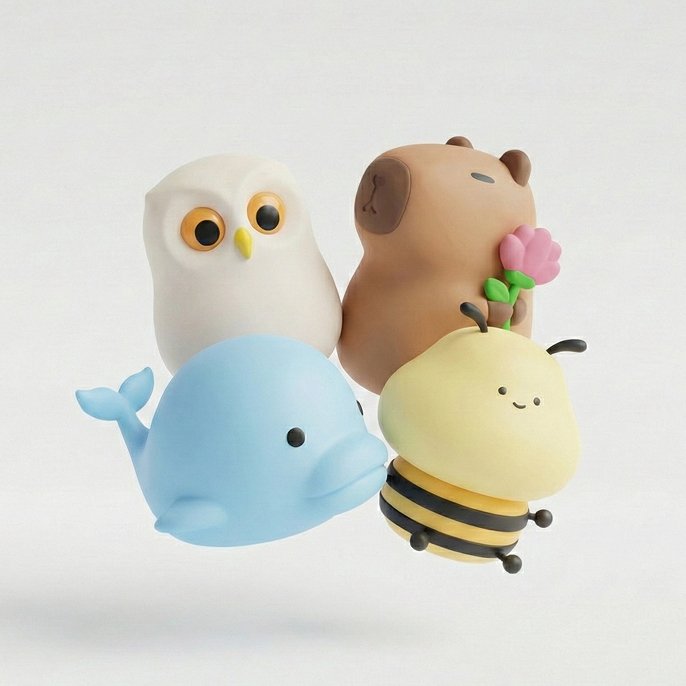
Make the system repeatable
One beautiful package is not enough if the brand needs multiple products, sizes, flavours, editions, or seasonal releases. The system has to flex without needing to be reinvented each time.
- Use a clear hierarchy for product name, variant, benefit, and proof.
- Define how illustrations, photography, icons, or patterns change across ranges.
- Plan for small formats before they become urgent.
- Test how the design behaves online, in fulfilment, and in social content.
The unboxing is a journey
Not every brand needs a theatrical unboxing, but every product has a sequence. What does the customer see first? What confirms they bought the right thing? Where does care show up? Which detail makes the product feel considered rather than generic?
Packaging becomes powerful when it turns a transaction into a remembered interaction.
What to design next
Think beyond the primary pack. Inserts, stickers, care cards, QR destinations, shipping labels, refill systems, and return instructions all belong to the experience. When those parts speak the same language, the brand feels more complete.
The best packaging does not end at the edge of the box. It carries the product into the customer's world.